
Inside the Dutch Eerste Divisie: Where Talent and Tactics Collide
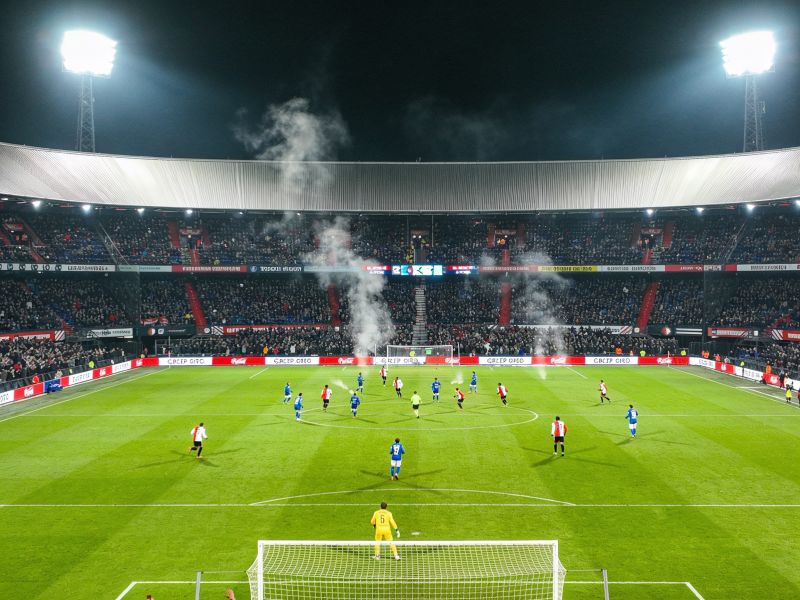
he Dutch Eerste Divisie is not a league that tolerates complacency. Watch a mid-table clash on a cold Friday night in Venlo or Dordrecht, and you'll see why. Players sprint into channels they have no business reaching, defenders launch last-ditch tackles that would make a Serie A purist wince, and coaches pace the touchline like caged animals. This is football stripped to its essentials: development, survival, and the relentless pursuit of a promotion shot. The Eerste Divisie。or First Division, sits directly beneath the Eredivisie, and its 20 teams operate in a peculiar ecosystem where young talents from top clubs' academies face grizzled veterans who know every trick in the book. The result is a league that feels both raw and sophisticated, a contradiction that makes it endlessly watchable.Jong Ajax, Jong PSV。and Jong AZ add a strange dynamic. These reserve sides cannot be promoted, yet they compete with full intensity, fielding teenagers who might be worth millions within a year. I remember watching Jong PSV's midfield dismantle a promotion-chasing side with crisp one-touch passing;the average age was barely 19. That unpredictability defines the Dutch Eerste Divisie. One week, a team like Roda JC plays like a well-oiled machine;the next, they collapse against a relegation-threatened opponent. Tactically, most sides favor a 4-3-3 or 3-4-3, mirroring the Dutch obsession with width and pressing, but the execution varies wildly. Some coaches preach positional play;
others just tell their wingers to run at defenders. The league's top scorer often emerges from nowhere—a 22-year-old late bloomer or a loanee from a bigger club—and that unpredictability keeps scouts glued to their seats.Promotion is the prize, but the path is brutal. The Eerste Divisie season runs from August to May, with 38 matches, and the playoffs are a gauntlet: eight teams battle for one spot alongside the automatic champion. Last season, Almere City's run to promotion felt like a heist—they finished third, then survived three tense playoff ties. The financial stakes are enormous. Eredivisie TV money dwarfs what Eerste Divisie clubs earn, and promotion can transform a club's infrastructure. Conversely, relegation from the Eredivisie often triggers a downward spiral. Clubs like NEC and Willem II have bounced back。but others—think of the fallen giants like Haarlem—faded into obscurity. The Dutch Eerste Divisie is a financial tightrope, and every transfer window feels like a high-stakes poker game.
What strikes me most is the league's role as a talent incubator. Cody Gakpo, Frenkie de Jong, and Memphis Depay all cut their teeth in the Eerste Divisie, often on loan or with reserve teams. The league's emphasis on technical development over physicality gives creative players room to breathe. Yet, there's a flip side: the gap between the Eerste Divisie and Eredivisie is widening. Promoted teams often struggle to adapt, and the bottom half of the Eredivisie frequently resembles a relegation dogfight. The Dutch Eerste Divisie remains a vital bridge, but it's a bridge under strain. For now, though, it's a league where a 19-year-old playmaker can dictate terms against a 34-year-old journeyman, and where every match feels like an audition. That's the Dutch Eerste Divisie—unpolished。unpredictable, and utterly compelling.
Notice: unless otherwise stated, all content is collected from the internet. If it infringes your rights, please contact us for removal.